













Solar Panels
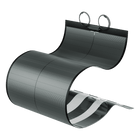
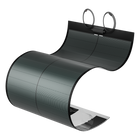
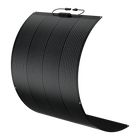
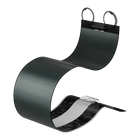
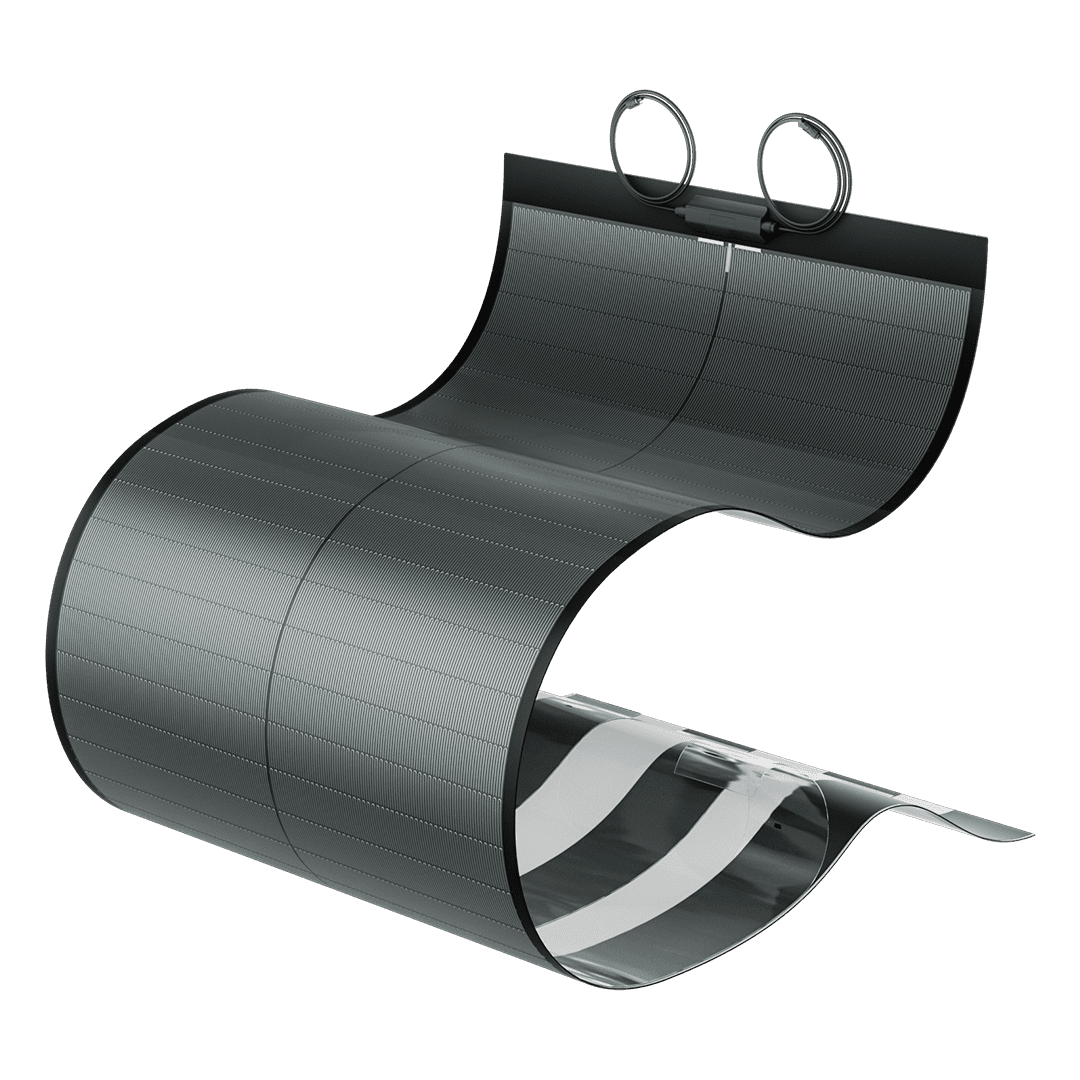
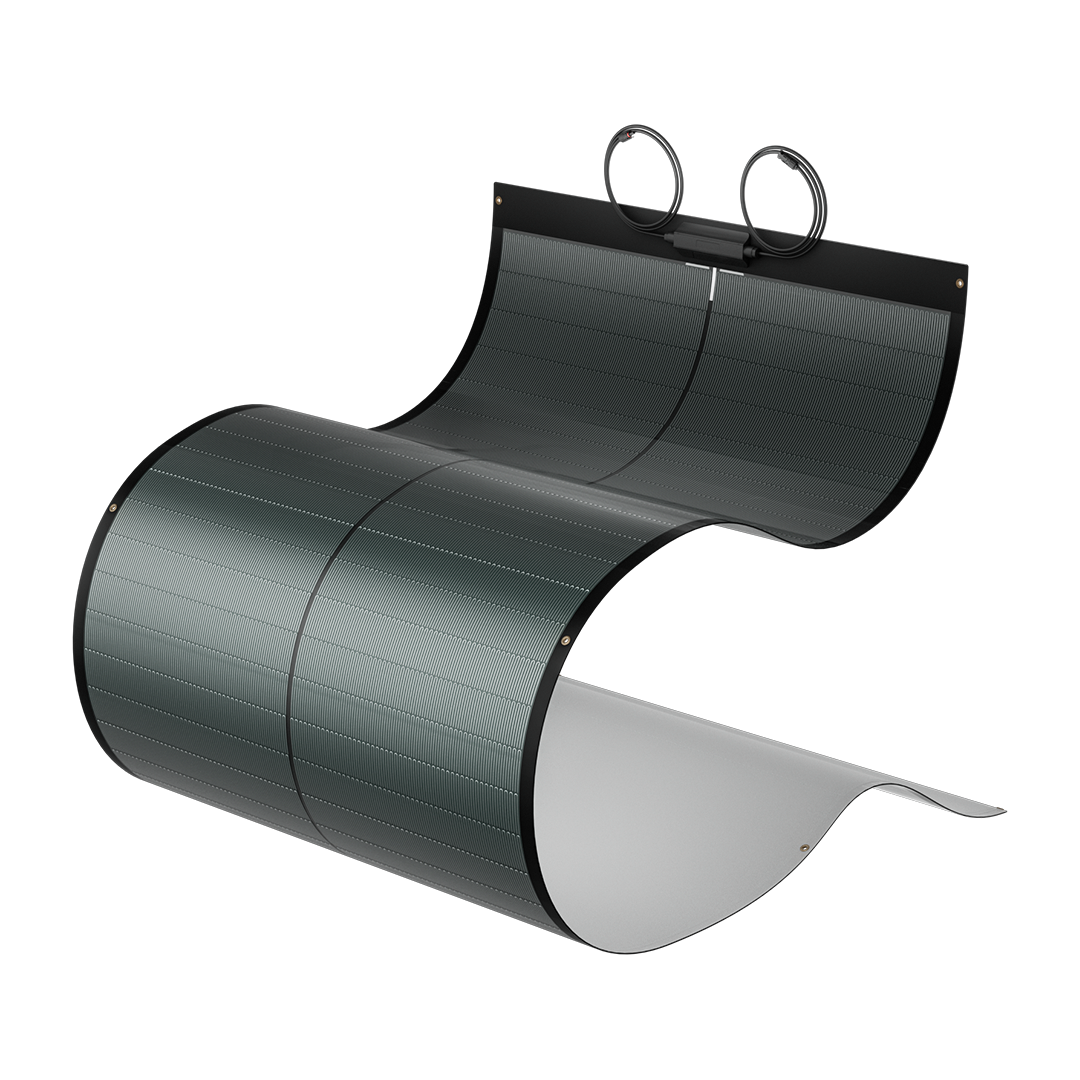
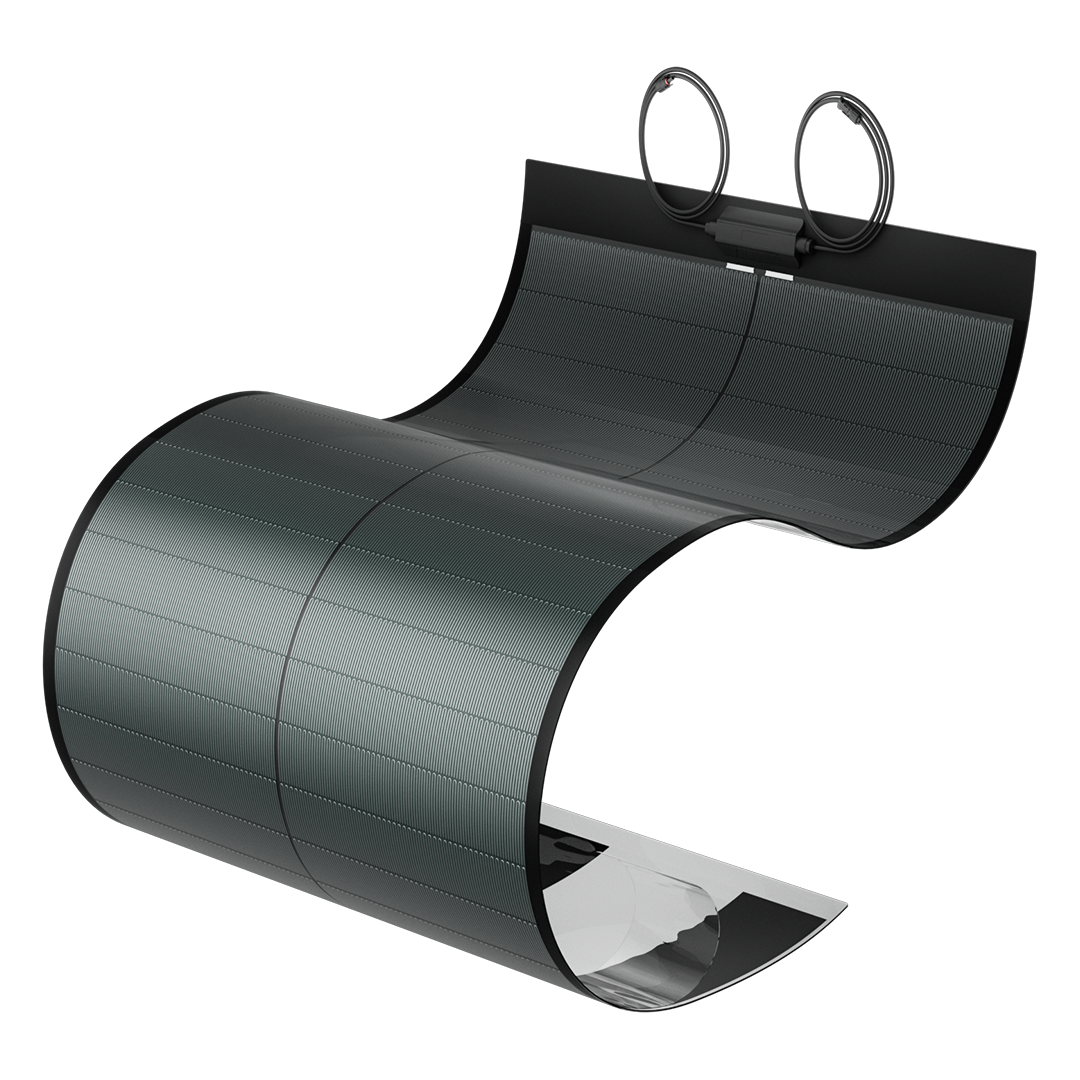
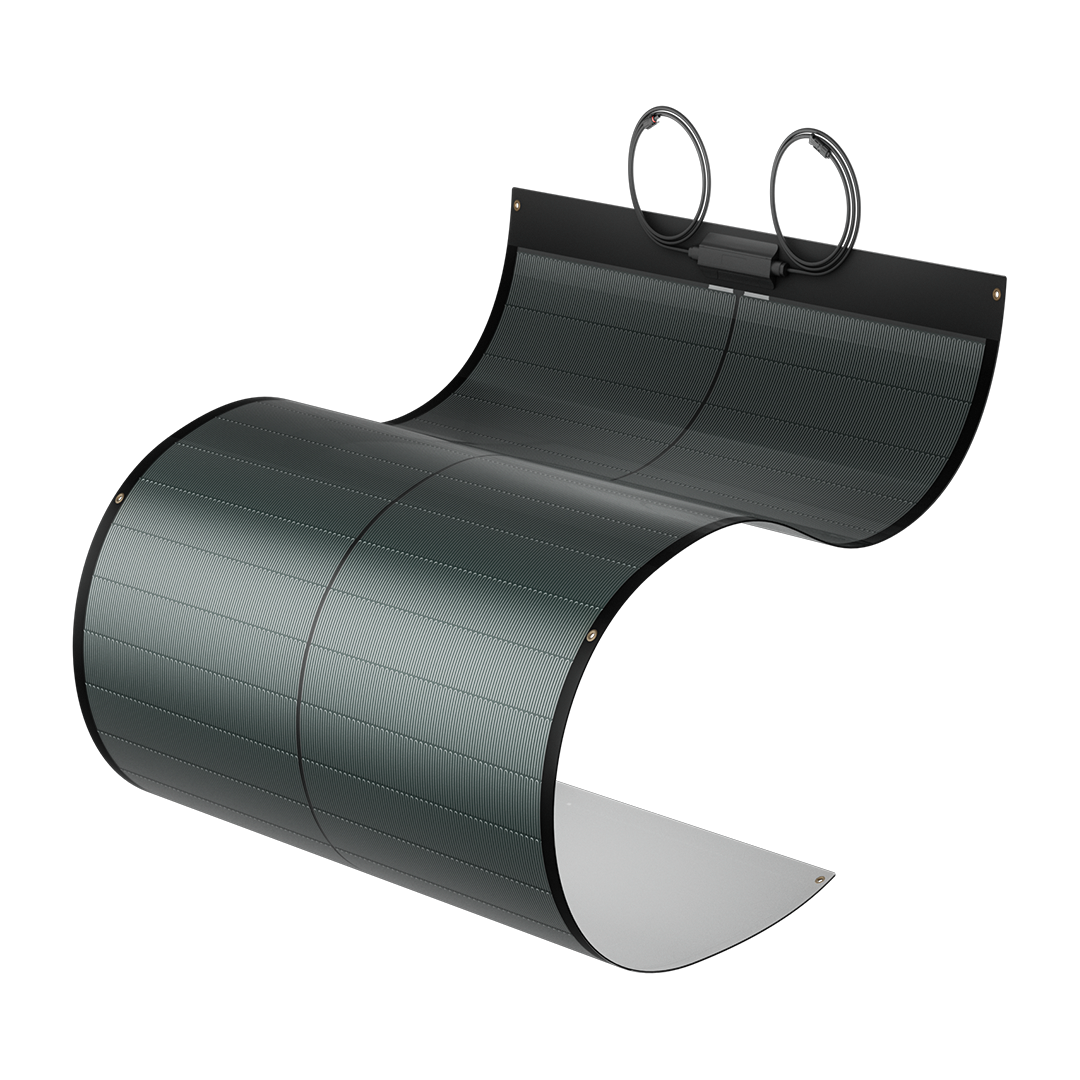
BougeRV introduces cutting-edge solar technology to meet your toughest demands. Our new flexible CIGS solar panels, made with advanced Copper Indium Gallium Selenide, are lightweight, bendable, and easily installed with adhesive—perfect for various surfaces. BougeRV CIGS solar panels can be rolled up easily and stored for portability. Discover the ideal solar solution for any adventure with BougeRV!
BougeRV introduces cutting-edge solar technology to meet your toughest demands. Our new flexible CIGS solar panels, made with advanced Copper Indium Gallium Selenide, are lightweight, bendable, and easily installed with adhesive—perfect for various surfaces. BougeRV CIGS solar panels can be rolled up easily and stored for portability. Discover the ideal solar solution for any adventure with BougeRV!


Learn more about solar panels
Solar panels offer several benefits, including reducing electricity bills, environmental sustainability, and energy independence. By generating your own clean energy, you can save money on your electricity bills and reduce your carbon footprint. Additionally, solar panels can increase the value of your home and provide a reliable source of power, especially during grid outages.
Yes, you can install solar panels on your home. Whether you have a pitched roof, a flat roof, or even a ground-mounted system, there are solar panel options that suit your specific installation requirements. It's important to consult with a professional installer to assess your home's suitability and determine the best location and angle for optimal results.
Absolutely! We offer a range of solar panels specifically designed for RVs and other recreational vehicles. These RV solar panels are lightweight, durable, and capable of harnessing solar energy to power various appliances and accessories onboard. With our solar panels for RV, you can enjoy off-grid adventures without worrying about running out of power.
12V solar panels are commonly used for charging batteries in various applications, including boats, RVs, and off-grid systems. If you have a 12V battery system or need to power 12V devices, our 12V solar panels are an ideal choice. They are designed to provide efficient charging capabilities and are compatible with 12V battery banks.
Yes, solar panels can be used for both residential and commercial properties. Whether you want to offset your home's energy consumption or power your business operations, solar panels are a versatile and sustainable solution. They can be installed on rooftops, carports, or ground-mounted systems, depending on the available space and specific requirements.
The size of the solar panel system you need depends on factors such as your energy consumption, available roof space, and budget. To accurately determine the right size, it's recommended to consult with a professional installer who can assess your energy usage patterns and provide a customized solution that meets your specific needs.
Solar panels are designed to be durable and long-lasting. Most high-quality solar panels come with warranties ranging from 25 to 30 years, guaranteeing their performance over an extended period. With proper maintenance and regular cleaning, solar panels can continue to generate electricity well beyond their warranty period.
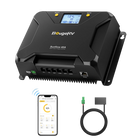
First, a solar panel will absorb the sunlight and change it into electricity. Second, the electricity will transport through cables and be a usable voltage bypassing controller. Then, a battery will store all the electricity the solar panel produces. Last, an inverter will turn the DC electricity into AC electricity. After that, you can use the power to connect and run your appliances.
The solar usage amount depends on your daily electricity needs; you should calculate the daily power consumption first. For example, if you need 1000Wh daily, then you should make sure your solar system can produce 1000Wh.
The output of a solar panel relies on weather conditions. If the sunlight in your area is good, like the average light time per day is 6 hours and the light conversion rate is 80% (referring to the light intensity in the area, the better the light, the higher the light conversion rate), then you need a solar panel system is 1000wh/6/80%=208w.
DIY solar costs can vary widely, but most small to mid-size setups fall between $300 and $2,000, depending on what you need.
A basic camping kit with a 100–200W panel, charge controller, and wiring may cost $300–$500.
A more complete system with 400–800W of solar, an MPPT controller, and a 12V lithium battery usually lands around $800–$1,500.
Larger off-grid setups with higher-capacity batteries or inverters can go beyond $2,000. Overall, DIY is far cheaper than professional installs because you’re buying components directly and doing the labor yourself.
Don't worry; your solar panels still work on a rainy day. However, the less sunlight, the less electricity solar panels can produce. The good news is although the electricity is reduced, your solar panels can still be durable and steady as usual.
Pick a panel size based on how much energy you use per day: add up the watt-hours of everything you’ll run (fridge, lights, phone chargers, etc.), multiply by ~1.3 to cover losses, then divide by the number of peak sun hours at your campsite (commonly 3–5 hours).
For example, if you need ~500 Wh/day and get 4 peak sun hours, you’d want at least a 160 W panel (500×1.3 ÷ 4 ≈ 162 W).
As quick rules of thumb: a single 100W panel is fine for short weekend trips and phone/laptop charging, 200–400W is a good all-round setup for running a 12V fridge and more devices, and 400W+ suits longer stays or high-draw gear — always pair panels with a good MPPT charge controller and a battery sized to store your daily needs.
Monocrystalline solar panels are generally considered better because they offer higher efficiency, better performance in low-light conditions, and a longer lifespan. They’re made from a single, high-purity silicon crystal, which allows them to convert more sunlight into energy and take up less space for the same output.
Polycrystalline panels are more budget-friendly but slightly less efficient due to their multi-crystal structure.
If you want maximum power in a limited space—like for RVs, cabins, or portable setups—monocrystalline is the better choice.